Back to School Safety
New teachers, new classmates, it’s the perfect time of year to make a new fire escape plan.
It’s a fun family activity and it could be a literal lifesaver. Then, read our childproofing tips to help keep your kids out of harm’s way when they’re home alone this school year.
Quick Facts
Let's get started with a few quick facts.
Make a Fire Escape Plan
Below are a few tips to make an effective fire escape plan.
- Draw a map of your home.
- Include all doors and windows.
- Find two ways out of each room if you can. All windows and doors should open easily.
- If there’s only one exit from a room, make sure it has a charged phone in it. That way, as a last resort, you can call for help.
- Make sure your home has working smoke alarms. Push the test button weekly.
- Pick a meeting place outside.
- Pets are part of the family! Plan who’s going to grab them on the way out.
- Practice twice a year: Once at the beginning of the school year, again at the end.
Kidde has a great resource to make a fire escape plan for your family.
The NFPA Website has other fun resources to use in creating your escape plan.
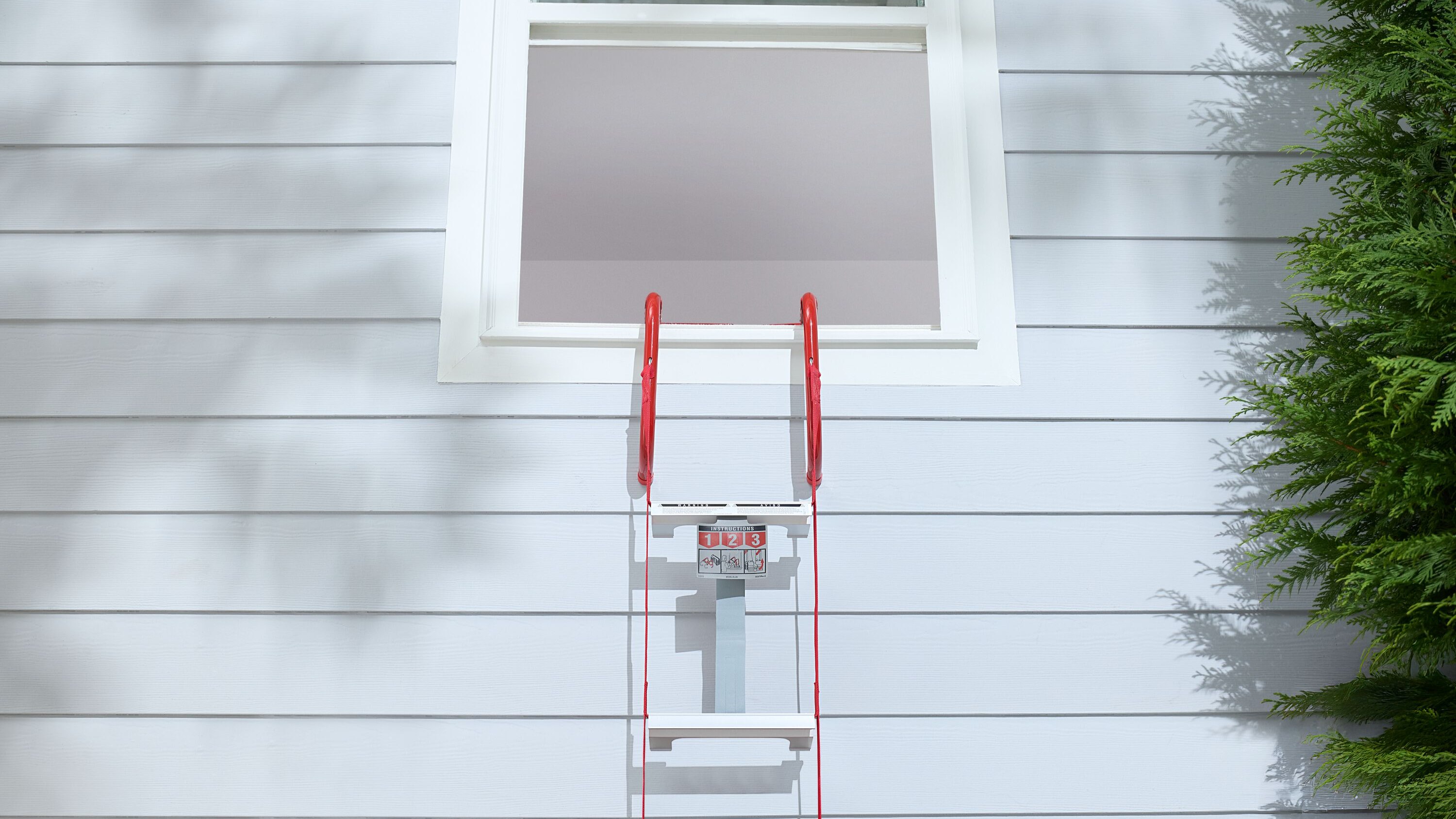
The 2nd Way Out is Often the Window
2- and 3-Story Escape Ladders: If the door to your upstairs bedroom is hot and you need another way out, just unfurl the escape ladder and down you go. It’s safe for both kids and adults. Kidde has very handy two- and three-story escape ladders.
Fire Safety for When Kids Are Home Alone
Here are a few tips for keeping your kids safe:
- Fires happen fast! Teach your kids to never play with fire, and if they see matches or lighters, not to touch them, and tell an adult.
- Leave snacks that don’t need to be warmed up. Kids shouldn’t ever have to use the stove or another heating appliance.
- Practice an escape plan for when they’re home alone, so they know to grab any family members or pets in the house with them, get out, and call 9-1-1 from outside.

Related Products
Related Articles
How Do I Make a Family Fire Escape Plan?
Create a fire escape plan with your family. Discuss exits, choose a meeting place, install smoke alarms, and practice drills twice a year for safety.
Fire Safety in the Home
Learning the basics of fire safety is the first step in fighting fire and understanding your home fire safety needs. Learn about types of fires, smoke alarms, fire extinguishers, carbon monoxide alarms.
Childproofing & Fire Safety for New Parents
With a new baby at home, you could probably use a little help with shoring up your fire safety for your new family. And as babies become toddlers, childproofing your home becomes important, too.
*American Red Cross, Fire Escape Planning, American Red Cross, Fire Escape Planning
**U.S. Fire Administration, Smoke Alarm Outreach Materials, U.S. Fire Administration, Smoke Alarm Outreach Materials
***National Fire Protection Association, Home Fire Victims by Age and Gender, NFPA Home Fire Victims by Age and Gender