What You Need to Know About Carbon Monoxide in Your Home
Carbon monoxide (CO) is one of those hidden dangers that’s easy to forget about because you can’t see, smell, or taste it. But that’s exactly why it’s so important to understand. CO can quietly build up in your home and lead to serious health issues if it goes unnoticed.
Early Symptoms of Carbon Monoxide Poisoning:
The first signs of CO exposure can feel pretty ordinary—headaches, dizziness, fatigue, or nausea—especially after using a fuel‑burning appliance.
What makes CO symptoms unique is how they behave: they often show up in one part of the home and disappear once you step outside. If multiple people or pets start feeling the same way, that’s a strong indicator something’s wrong.
And unlike the flu, CO exposure doesn’t usually come with a fever or body aches.
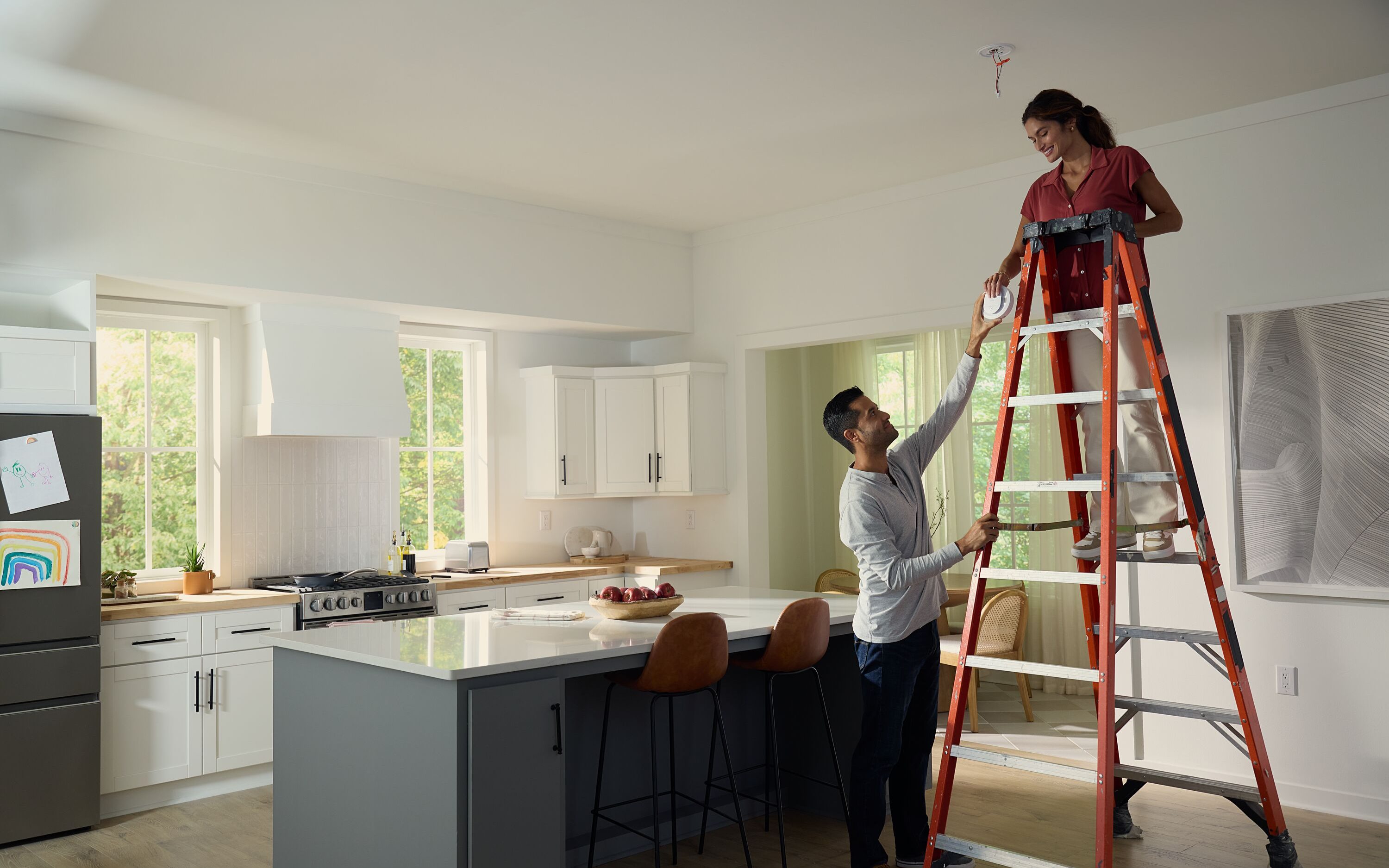
Understanding CO Detector Alerts and PPM Levels:
Your CO alarm helps you make sense of what’s happening.
- Below 30 PPM: you won’t get a notification
- Between 30-50 PPM: you’ll receive a low‑level alert—an early warning that something isn’t right
- Above 50 PPM: the CO alarm will sound, and that’s your cue to take immediate action.
Who Is Most Vulnerable to CO Exposure?
Some people are more at risk than others. Young children, older adults, and people with heart or lung conditions, anemia, or weakened immune systems are more susceptible.
Pregnant women and smokers are also at higher risk. Pets often show symptoms first, so if they seem unusually lethargic or sick, take it seriously.
What to Do When You Get a Low‑Level CO Alert
If you receive a low‑level alert, start by airing out your home—open windows and doors, turn off any appliances that might be causing the issue, and check on everyone in the household. You might even consider stepping outside for a bit while things clear out. It’s also smart to schedule a professional inspection to pinpoint the cause.
How to Respond to a High‑Level CO Alarm
A high‑level alert requires immediate action. Leave the property right away, contact your local fire department, and call 911 if anyone is showing symptoms.
If you’re using our Kidde + Ring products with Ring’s 24/7 Smoke & CO Professional Monitoring, help will already be on the way.
Common Household Sources of Carbon Monoxide:
CO can come from a variety of everyday sources: gas furnaces, water heaters, stoves, fireplaces, wood stoves, vehicle exhaust from an attached garage, portable generators, and even grills or camp stoves if they’re used indoors. Knowing where CO can originate makes it easier to prevent problems.
Preventing Carbon Monoxide Buildup in Your Home
Prevention is your best defense.
Make sure your CO alarms are installed correctly and maintained regularly. Have all fuel‑burning appliances inspected annually, and get your furnace checked before heating season begins. Proper ventilation is essential, and gas appliances should burn with a blue flame—not yellow or orange. Chimneys and vents should be cleaned professionally to keep everything running safely.
Safe Habits to Reduce CO Risks
A few everyday habits can make a big difference. Never run a vehicle inside an attached garage, even briefly. Keep generators outdoors and far from windows or doors. Don’t bring outdoor cooking equipment inside, and after snowstorms, make sure vents aren’t blocked. And while it may be tempting on a cold day, don’t use your gas oven as a heat source.
With the right awareness and precautions, you can dramatically reduce the risk of CO issues in your home. And if you’re using Ring’s professional monitoring, you’ll have an added layer of protection whenever high CO levels are detected.
Explore Kidde CO Alarms for Added Peace of Mind
If you’re thinking about upgrading your home’s protection, Kidde offers CO alarms and combination alarms (smoke and CO alarms) that make it easy to stay informed and prepared.
Whether you need a simple battery‑powered detector or a smart alarm with app connectivity, Kidde has options to match your home and lifestyle. It’s a small step that can make a big difference.
Related Products
Related Articles
Carbon Monoxide Comprehensive Guide
Learn more about carbon monoxide and find commonly asked questions about using CO alarms to help protect against this dangerous and potentially deadly gas.
Carbon Monoxide Dangers & Risks
Carbon Monoxide Dangers, carbon monoxide poisoning, carbon monoxide poisoning symptoms, carbon minoxide, carbon monixide, carbonmonoxide
Carbon Monoxide Safety Basics
Learn the basics of Carbon Monoxide safety
Carbon Monoxide Laws
Learn more about carbon monoxide detector requirements in your state to make sure you’re following best practices and keeping your home safe.